In This Article 5
Brazilian Jiu-Jitsu (BJJ) is an art built around control, strategy, and technique. While many new students focus on submissions and sweeps, guard passing is often what separates intermediate grapplers from elite competitors. If you can’t pass an opponent’s guard, you can’t establish dominant positions or win matches.
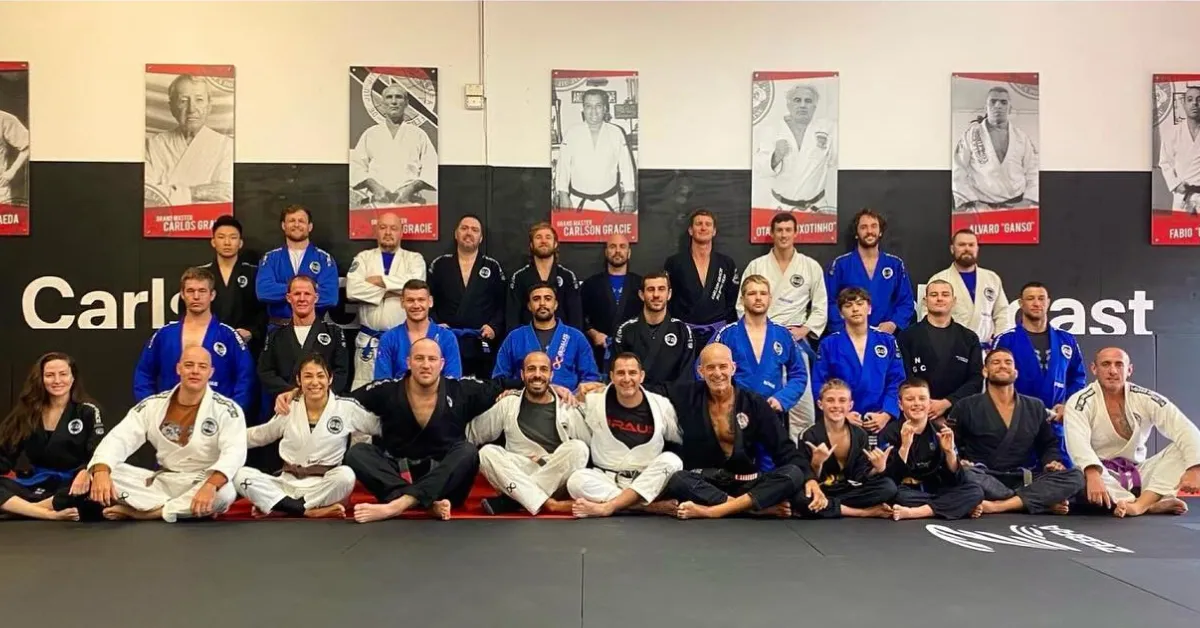
At Carlson Gracie Jiu-Jitsu Melbourne, we emphasise a pressure-based approach to guard passing, teaching students how to control, dismantle, and break through even the strongest guards. Whether you’re a beginner or a seasoned competitor, mastering this skill will significantly improve your Jiu-Jitsu game.
If you’re just starting your BJJ journey, you may also want to check out what to expect in your first month of training to set yourself up for success.
Ready to elevate your guard passing? Train with Melbourne’s best at Carlson Gracie Jiu-Jitsu Melbourne. Get your free trial class today. Contact us now.
The Carlson Gracie Approach to Guard Passing
Unlike some modern BJJ styles that prioritise speed and agility, Carlson Gracie Jiu-Jitsu Melbourne focuses on pressure-based, high-percentage passing techniques that work against opponents of all sizes. Our approach includes:
- Constant Forward Pressure – Keeping your opponent uncomfortable and limiting their movement.
- Grip and Hip Control – Preventing them from recovering guard or setting up sweeps.
- Dynamic Direction Changes – Adapting to their reactions and adjusting mid-pass.
By mastering these fundamental principles, you can make your guard passing more efficient and dominant, whether you’re training for competition or self-defence.
To understand the science behind Carlson Gracie Jiu-Jitsu and why this system is so effective, read more here.
5 Essential Guard Passing Techniques Taught at Carlson Gracie Jiu-Jitsu Melbourne
1. Knee Cut Pass (Knee Slice)
The knee cut pass, or knee slice pass, is a staple technique that works in both gi and no-gi. It is highly effective against half guard and open guard players.
Key Steps:
- Establish grips on their collar and knee to control movement.
- Drive your knee diagonally across their thigh.
- Apply heavy shoulder pressure to prevent them from recovering guard.
- Secure side control or transition into mount.
This pass is most effective when combined with smart rolling strategies to improve timing and precision.
2. Torreando (Bullfighter) Pass
The Torreando pass is a movement-based technique that allows you to completely bypass an opponent’s legs.
Why It Works:
- Explosive lateral movement keeps the opponent off-balance.
- Effective against open guard and spider guard players.
- Helps develop speed and agility in passing.
3. Over-Under Pass
A Carlson Gracie classic, the over-under pass is one of the most powerful pressure passes in BJJ.
Execution:
- Secure one leg under your body while controlling the other over your shoulder.
- Drive your hips forward, applying maximum downward pressure.
- Walk your hips to one side while keeping the opponent flat and controlled.
This pass works exceptionally well for heavy-pressure grapplers. If you want to improve your full-body strength for Jiu-Jitsu, check out Carlson Gracie Jiu-Jitsu as a full-body workout.
4. Leg Drag Pass
The leg drag pass is a great option against opponents who play open guard, such as De La Riva and Spider Guard.
Key Details:
- Control one leg and drag it across your body.
- Maintain tight chest-to-chest pressure to prevent guard retention.
- Transition into back control or side control.
5. Smash Pass (Pressure Pass)
For those who love controlling and dominating opponents, the smash pass is one of the best tools.
Why It’s Effective:
- Works well against flexible guard players.
- Involves heavy hip and chest pressure to flatten the opponent.
- Great for breaking down seated guards.
Want to refine these passes with expert coaching? Train at Carlson Gracie Jiu-Jitsu Melbourne with a free trial class. Contact us now.
Common Guard Passing Mistakes (And How to Fix Them)
Even experienced practitioners struggle with guard passing. Here are the most common mistakes and how to fix them:
Poor Posture – Staying too upright or too low makes it easy to get swept.
Solution: Maintain a strong base and neutral spine to stay balanced.
Not Controlling the Hips – If you don’t control your opponent’s hips, they’ll recover guard easily.
Solution: Apply constant forward pressure and pin the hips.
Rushing the Pass – Going too fast leads to sloppy techniques and failed attempts.
Solution: Take your time, establish proper grips, and pass with control.
If you’re serious about improving your fundamental Jiu-Jitsu skills, check out this guide on BJJ fundamentals.
Why Train at Carlson Gracie Jiu-Jitsu Melbourne?
At Carlson Gracie Jiu-Jitsu Melbourne, we focus on high-percentage, pressure-based techniques that work at all levels. Whether you’re looking to compete, train for self-defence, or just improve your Jiu-Jitsu, learning effective guard passing will elevate your game.
- Elite Coaching – Our instructors teach proven, high-level guard passing strategies.
- Structured Learning – We break down techniques in a way that’s accessible to all skill levels.
- Strong Community – Whether you’re a beginner or a competitor, you’ll train in a supportive, ego-free environment.
We also focus on rolling smarter, not harder, ensuring that every training session is purpose-driven and effective.
Final Thoughts
Mastering guard passing is essential to becoming a well-rounded Jiu-Jitsu practitioner. By training at Carlson Gracie Jiu-Jitsu Melbourne, you’ll learn battle-tested techniques, improve your ability to control opponents, and gain the confidence to dominate on the mats.
Want to train at Melbourne’s premier Jiu-Jitsu academy? Book a free trial class today and experience the difference. Contact us now.
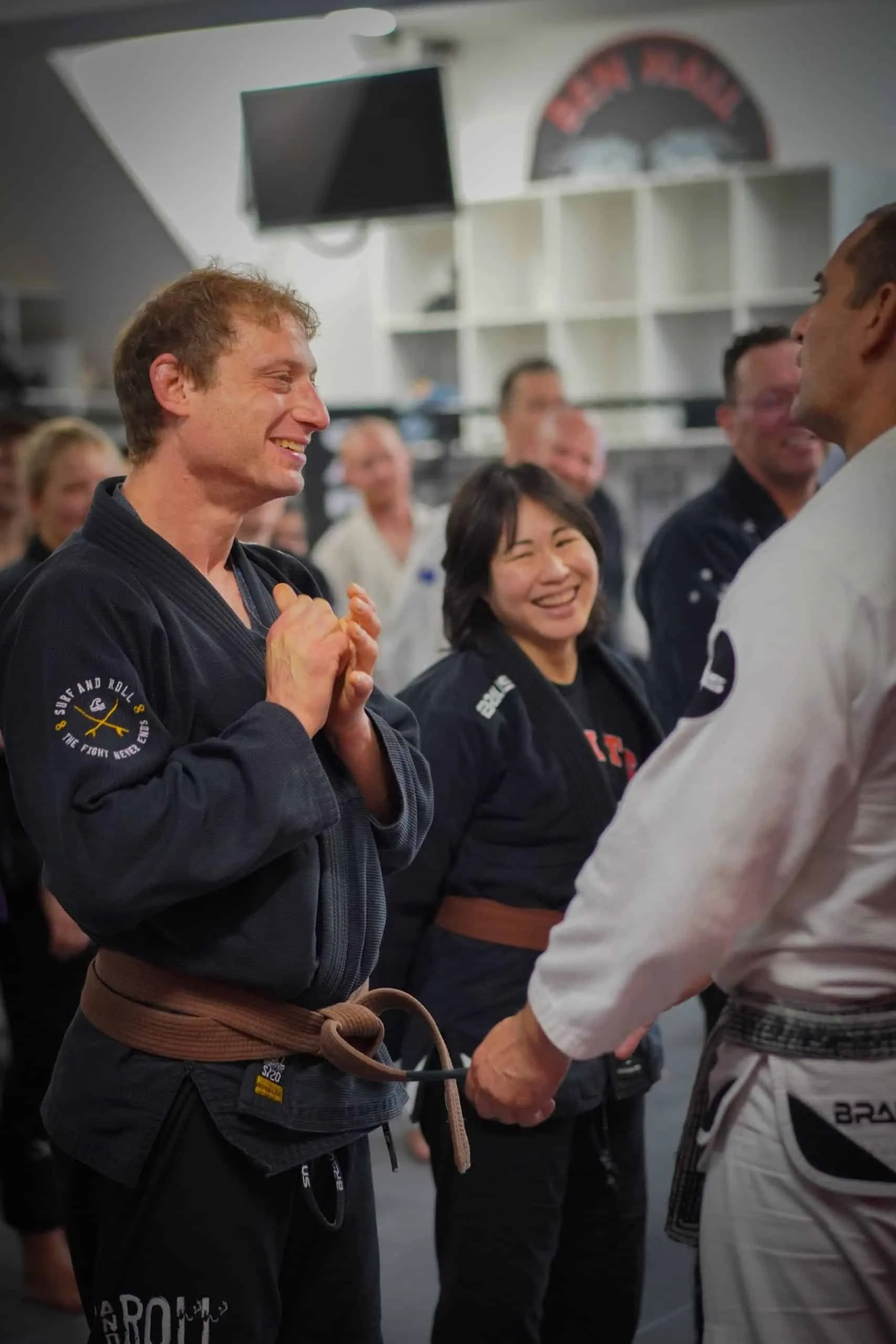
Prof. Ben Hall
4th degree black belt under Carlson Gracie Jr. 21 of his students have earned their black belt at this academy. Read his full story.