In This Article 11
- 16:00 AM – Waking Up and Setting Intentions
- 27:00 AM – Breakfast: Fueling the Body for Performance
- 39:00 AM – Morning Training Session
- 411:00 AM – Post-Training Recovery
- 51:00 PM – Midday Refuel and Relaxation
- 64:00 PM – Strength and Conditioning
- 76:30 PM – Evening Training and Sparring
- 88:30 PM – Dinner and Reflection
- 910:00 PM – Sleep and Recovery
- 10FAQs About the Life of a Carlson Gracie Jiu-Jitsu Practitioner
- 11Conclusion
What does it take to live the life of a Carlson Gracie Jiu-Jitsu practitioner in Melbourne? It’s more than just showing up to class. It’s a lifestyle that blends discipline, nutrition, training, and recovery into a harmonious routine. Whether you’re a beginner or an advanced practitioner, understanding what a typical day looks like can inspire and guide you in your journey.
6:00 AM – Waking Up and Setting Intentions
For many practitioners, the day begins early to maximise productivity and get the most out of their training routine.
Morning Routine:
- Stretching or Yoga: Gentle movements, such as yoga poses or dynamic stretches, are performed to wake up the body, improve mobility, and prepare for training.
- Hydration: A glass of water with a squeeze of lemon kick-starts hydration and metabolism.
- Mindfulness Practice: Practitioners often spend 5–10 minutes meditating or journaling to focus their mind on their goals for the day, both on and off the mats.
Why It Matters: Starting the day with mindfulness improves mental clarity, reduces stress, and builds resilience—qualities that are invaluable in Brazilian Jiu-Jitsu.
7:00 AM – Breakfast: Fueling the Body for Performance
Nutrition is a key pillar in the life of a Jiu-Jitsu practitioner. A balanced breakfast provides the energy required for morning training.
What’s on the Plate?
- Option 1: A hearty bowl of oatmeal topped with berries, nuts, and a drizzle of honey for sustained energy.
- Option 2: Scrambled eggs with avocado and spinach on whole-grain toast for a mix of protein, healthy fats, and carbs.
- Option 3: A smoothie made with banana, spinach, almond milk, protein powder, and chia seeds for a quick, nutrient-packed meal.
Pro Tip: Eating complex carbohydrates and lean proteins in the morning provides steady energy without causing a sugar crash during training.
9:00 AM – Morning Training Session
Morning sessions are often focused on drilling and technique, providing a strong foundation for practitioners of all levels.
What Happens in Class?
- Warm-Up: Light jogging, shrimping, and hip escapes to loosen up and build mobility.
- Technique Work: Instructors demonstrate techniques, such as guard passes or submissions, and students practice them with partners.
- Repetition Drills: The key to mastering techniques is repetition. Drills help ingrain movements into muscle memory.
- Positional Sparring: Students practice applying techniques in controlled, real-world scenarios.
The Benefits of Morning Training:
- Sets a positive tone for the rest of the day.
- Focused on skill-building without the pressure of live sparring.
- Provides an opportunity to connect with teammates and instructors in a less crowded environment.
11:00 AM – Post-Training Recovery
After an intense training session, proper recovery is crucial to prevent fatigue and prepare for the next session.
Steps to Recover:
- Cool-Down Stretches: Focus on areas like the hips, shoulders, and back to relieve tension.
- Rehydrate: A bottle of water or a sports drink with electrolytes replenishes lost fluids.
- Recovery Snack: A protein shake or yogurt with granola helps repair muscles and maintain energy levels.
Pro Tip: Recovery isn’t just physical—taking a moment to reflect on what you learned during class reinforces key takeaways.
1:00 PM – Midday Refuel and Relaxation
Lunch is a vital meal to restore energy and prepare for the day’s remaining activities.
What’s for Lunch?
- Grilled Chicken Salad: A mix of lean protein, leafy greens, cherry tomatoes, and a light vinaigrette.
- Grain Bowl: Quinoa or brown rice topped with roasted veggies, chickpeas, and tahini dressing.
- Wrap: Whole-grain wrap stuffed with turkey, avocado, lettuce, and a side of carrot sticks.
After lunch, practitioners take some time to relax, whether it’s reading, catching up on work, or enjoying a light walk outdoors.
Balance Matters: Relaxation ensures that both the mind and body stay fresh, preventing burnout from back-to-back activities.
4:00 PM – Strength and Conditioning
Complementary training is an integral part of a Jiu-Jitsu practitioner’s routine. Strength and conditioning sessions are tailored to improve performance on the mats.
Sample Routine:
- Warm-Up: Jump rope, dynamic stretches, or a light jog.
- Strength Training: Deadlifts, squats, and pull-ups to build overall power.
- Core Work: Planks, Russian twists, and hanging leg raises to improve balance and stability.
- Cardio: Rowing machine or interval sprints to build endurance.
Pro Tip: Focus on functional fitness—exercises that mimic movements used in Jiu-Jitsu, such as explosive hip bridges or grip strength drills.
6:30 PM – Evening Training and Sparring
Evening classes are often the highlight of the day, with a mix of technique refinement and live sparring.
What’s Different About Evening Classes?
- Advanced Techniques: Instructors introduce chaining moves together for fluid transitions, such as linking sweeps with submissions.
- Live Sparring: Rolling with teammates tests your skills in real-time, helping you refine your strategy and timing.
- High Energy: Evening classes tend to have more students, creating a dynamic and competitive environment.
Sparring provides invaluable lessons, helping practitioners identify areas for improvement and adapt to different opponents’ styles.
8:30 PM – Dinner and Reflection
The final meal of the day focuses on recovery and preparing for tomorrow’s training.
Dinner Options:
- Grilled Salmon: Paired with sweet potatoes and steamed green beans for a balanced, anti-inflammatory meal.
- Vegetarian Stir-Fry: Mixed vegetables, tofu, and brown rice with a light soy sauce glaze.
- Hearty Soup: Lentil soup served with a slice of whole-grain bread.
After dinner, many practitioners take time to reflect on their day, noting their progress in training or setting goals for the next session.
10:00 PM – Sleep and Recovery
A good night’s sleep is essential for repairing muscles, consolidating skills, and recharging mentally.
Sleep Hygiene Tips:
- Avoid caffeine or heavy meals before bedtime.
- Dim lights and reduce screen time to signal your body that it’s time to wind down.
- Use relaxation techniques, such as deep breathing or progressive muscle relaxation, to promote restful sleep.
Why It Matters: Quality sleep is just as important as training—without it, your performance and recovery will suffer.
FAQs About the Life of a Carlson Gracie Jiu-Jitsu Practitioner
Q1: How Often Do Practitioners Train?
A: Most practitioners train 3–5 times per week, balancing intensity with adequate recovery.
Q2: Is Strength Training Essential for Jiu-Jitsu?
A: While not mandatory, strength training significantly improves endurance, power, and injury prevention.
Q3: Can Beginners Follow This Routine?
A: Beginners should start slowly, focusing on 2–3 classes per week and gradually incorporating additional activities.
Q4: How Do Practitioners Balance Work and Training?
A: Flexible class schedules, such as morning and evening options, make it easier to fit training into a busy lifestyle.
Q5: What’s the Most Important Aspect of Recovery?
A: Nutrition, hydration, and sleep form the foundation of effective recovery.
Conclusion
Life as a Carlson Gracie Jiu-Jitsu practitioner in Melbourne is one of discipline, growth, and community. From morning routines to evening sparring, every part of the day is designed to maximise performance and personal development.
Are you ready to begin your journey?
Start Your Training at Carlson Gracie Jiu-Jitsu Melbourne Today
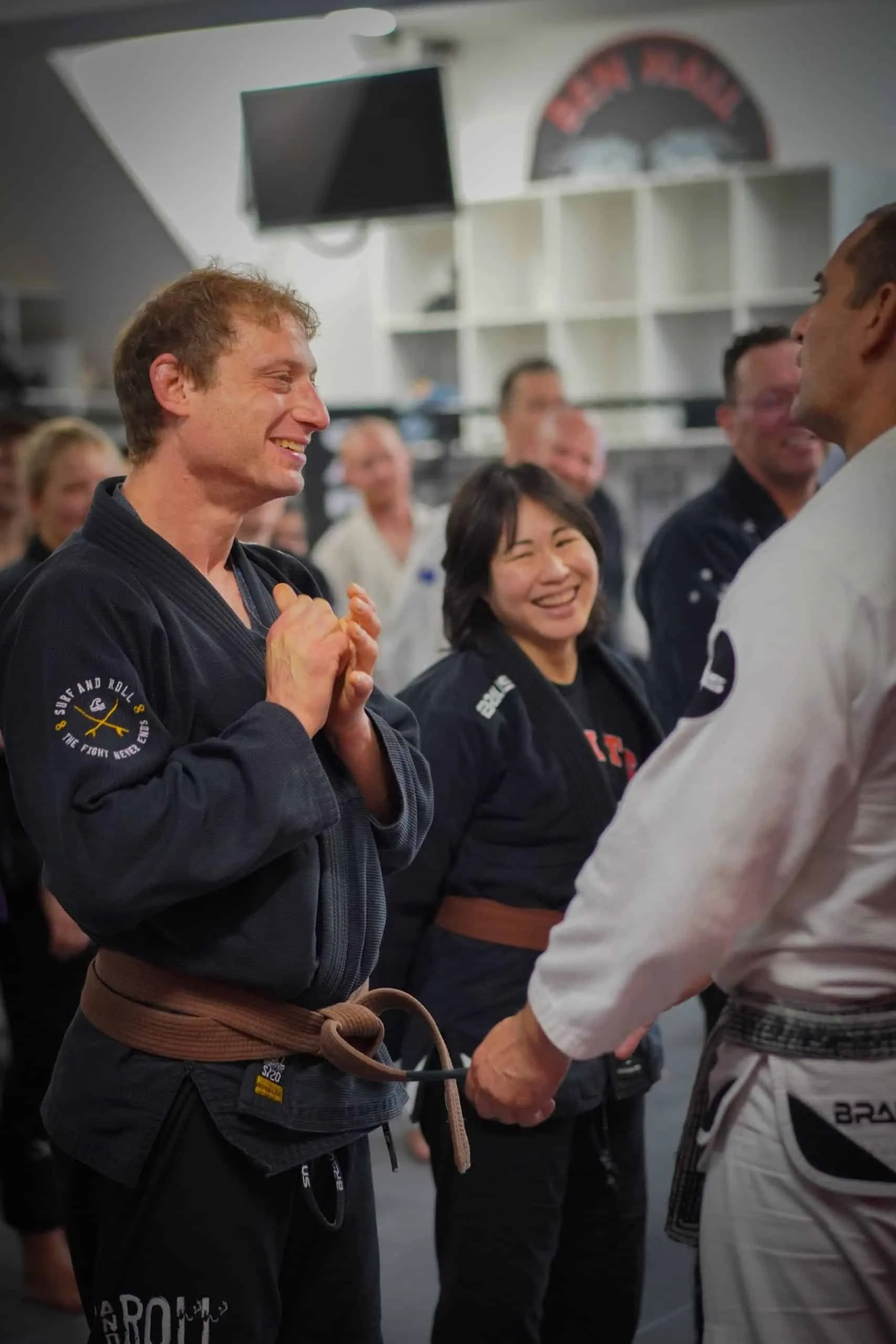
Prof. Ben Hall
4th degree black belt under Carlson Gracie Jr. 21 of his students have earned their black belt at this academy. Read his full story.