In This Article 7
Nutrition is the unsung hero of Brazilian Jiu-Jitsu (BJJ). Whether you’re mastering a guard pass, sparring, or drilling techniques, your body needs the right fuel to perform at its peak. At Carlson Gracie Jiu Jitsu Melbourne, we understand that what you eat before and after training can dramatically impact your performance, recovery, and long-term progression.
In this guide, we’ll dive deep into pre- and post-training nutrition, offering practical advice for practitioners of all levels.
Why Nutrition Is Critical for Jiu-Jitsu
Brazilian Jiu-Jitsu is a high-intensity martial art requiring strength, endurance, flexibility, and mental focus. Proper nutrition:
- Boosts Energy: Sustains you through long training sessions and sparring rounds.
- Supports Recovery: Repairs muscle tissue and replenishes glycogen stores after training.
- Enhances Focus: Improves cognitive function, helping you react strategically on the mats.
What to Eat Before Training
The Goal of Pre-Training Nutrition
The purpose of your pre-training meal or snack is to:
- Provide a steady supply of energy.
- Prevent hunger during training.
- Avoid digestive discomfort.
Timing Your Pre-Training Meal
- 2–3 Hours Before Training: Opt for a well-balanced meal containing complex carbohydrates, lean protein, and healthy fats.
- 30–60 Minutes Before Training: If you’re eating closer to class, choose a light snack that’s easy to digest.
Nutritional Components to Prioritise
- Complex Carbohydrates:
These provide long-lasting energy by releasing glucose slowly.
- Examples: Brown rice, sweet potatoes, oats, whole-grain bread.
- Lean Protein:
Supports muscle strength and reduces muscle breakdown during training.
- Examples: Chicken breast, fish, eggs, tofu.
- Healthy Fats:
Maintain energy levels without causing a sugar spike.
- Examples: Avocado, nuts, seeds, olive oil.
Sample Pre-Training Meals and Snacks
- Meal (2–3 Hours Before): Grilled chicken, quinoa, and steamed vegetables with a drizzle of olive oil.
- Snack (30–60 Minutes Before):
- A banana with almond butter.
- A small bowl of Greek yogurt topped with granola.
- A handful of trail mix with dried fruit and nuts.
Pro Tip: Avoid foods high in refined sugars or fats before training, as they can cause energy crashes or digestive issues.
Book Your First Class at Carlson Gracie Jiu-Jitsu Melbourne
What to Eat After Training
The Goal of Post-Training Nutrition
After an intense BJJ session, your body is in recovery mode. Post-training nutrition helps:
- Rebuild Muscle Tissue: Protein repairs muscle microtears caused by training.
- Replenish Glycogen Stores: Carbohydrates restore energy reserves used during training.
- Reduce Inflammation: Anti-inflammatory foods help your body recover faster.
Timing Your Post-Training Meal
- Within 30 Minutes Post-Training: Consume a quick recovery snack, especially if you can’t have a full meal right away.
- Within 2 Hours Post-Training: Have a balanced meal with carbs, protein, and healthy fats.
Key Nutritional Components for Recovery
- Protein (20–30g):
- Sources: Grilled chicken, turkey, fish, eggs, protein shakes, cottage cheese.
- Carbohydrates:
- Sources: Sweet potatoes, brown rice, quinoa, fruit (e.g., bananas, berries).
- Healthy Fats:
- Sources: Avocado, nuts, seeds, olive oil.
- Hydration:
- Drink plenty of water or an electrolyte drink to replenish fluids lost during training.
Sample Post-Training Meals and Snacks
- Meal: Grilled salmon, roasted sweet potatoes, and steamed asparagus.
- Snack:
- A protein shake blended with almond milk, frozen berries, and spinach.
- Whole-grain toast topped with avocado and a boiled egg.
- A handful of almonds with a small apple.
Pro Tip: Combining protein and carbs optimises muscle recovery and replenishes glycogen levels more effectively than consuming them alone.
Hydration Tips for Jiu-Jitsu
Hydration is essential before, during, and after training. Dehydration can lead to fatigue, poor focus, and reduced performance.
- Before Training: Drink 500–750ml of water an hour before class.
- During Training: Sip water regularly, especially during breaks.
- After Training: Rehydrate with water, coconut water, or an electrolyte drink.
Fun Fact: Coconut water is a natural electrolyte source, ideal for replenishing fluids post-training.
Learn More About the Carlson Gracie Legacy
Common Mistakes to Avoid
- Skipping Meals: Training on an empty stomach can cause fatigue and hinder performance.
- Overeating Before Training: Large, heavy meals can cause digestive discomfort and sluggishness.
- Ignoring Recovery Nutrition: Failing to eat after training slows muscle repair and recovery.
FAQs About Nutrition for Carlson Gracie Jiu-Jitsu
Q1: Can I Train Fasted?
A: While some prefer fasted training, eating a light snack before class generally improves energy and focus.
Q2: Do I Need Supplements?
A: Supplements like protein powder or BCAAs can complement your diet but aren’t necessary if you’re eating balanced meals.
Q3: How Important Is Meal Timing?
A: While exact timing isn’t critical, eating balanced meals and snacks around your training ensures optimal performance and recovery.
Q4: What Should I Eat If I Train Twice a Day?
A: Include carb- and protein-rich meals between sessions and focus on recovery foods post-training.
Q5: Can I Have Coffee Before Training?
A: Yes, a moderate amount of caffeine can enhance focus and endurance during training.
Explore the Carlson Gracie Legacy
At Carlson Gracie Jiu-Jitsu Melbourne, we’re more than a martial arts academy. We guide our students in building lifestyles that support their training on and off the mats. Learn more about our philosophy and history by visiting our Carlson Gracie Legacy page.
Conclusion
Mastering Brazilian Jiu-Jitsu isn’t just about time on the mats—it’s also about how you prepare and recover. Proper nutrition fuels your performance, speeds recovery, and helps you reach your full potential.
Ready to take your training to the next level?
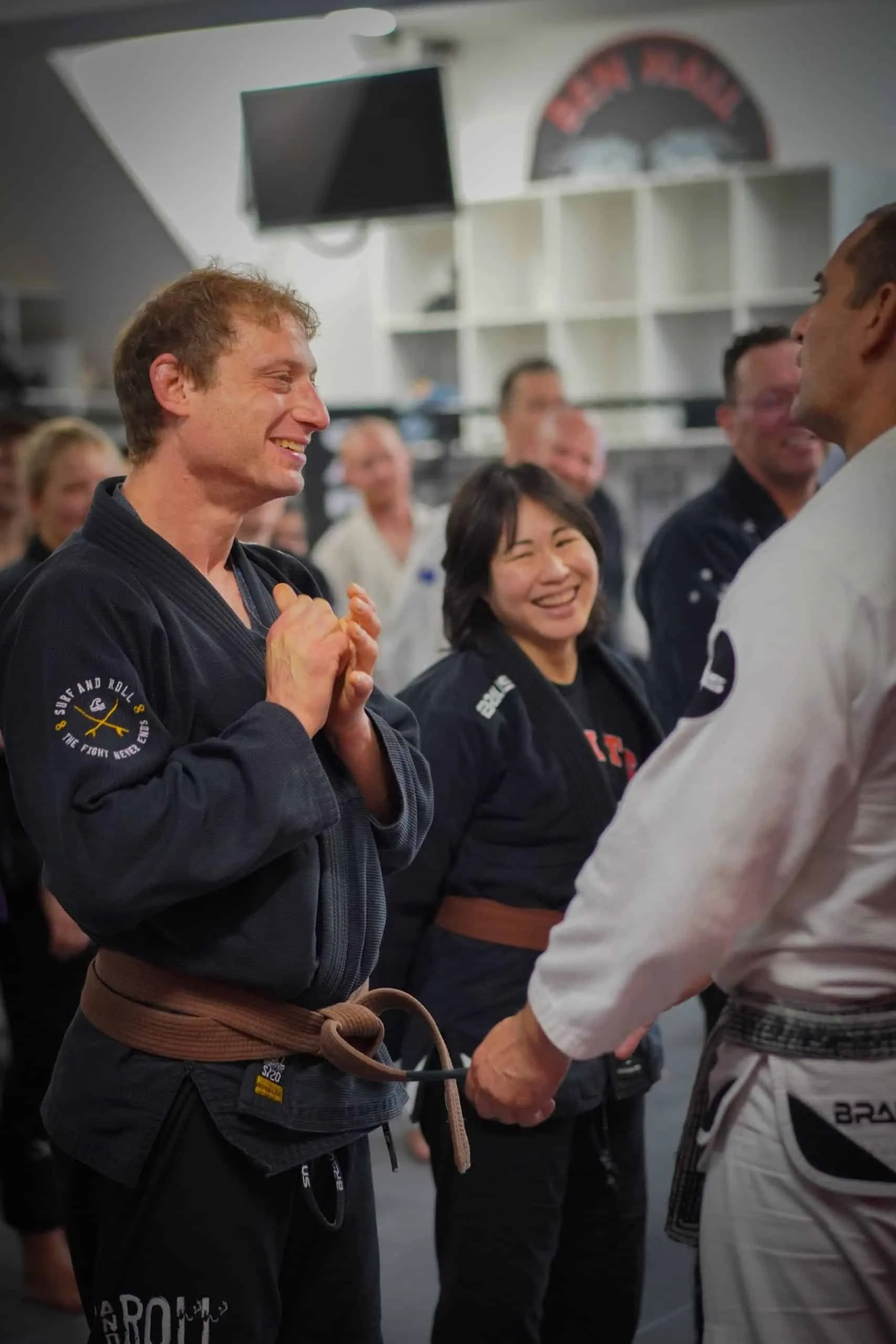
Prof. Ben Hall
4th degree black belt under Carlson Gracie Jr. 21 of his students have earned their black belt at this academy. Read his full story.